
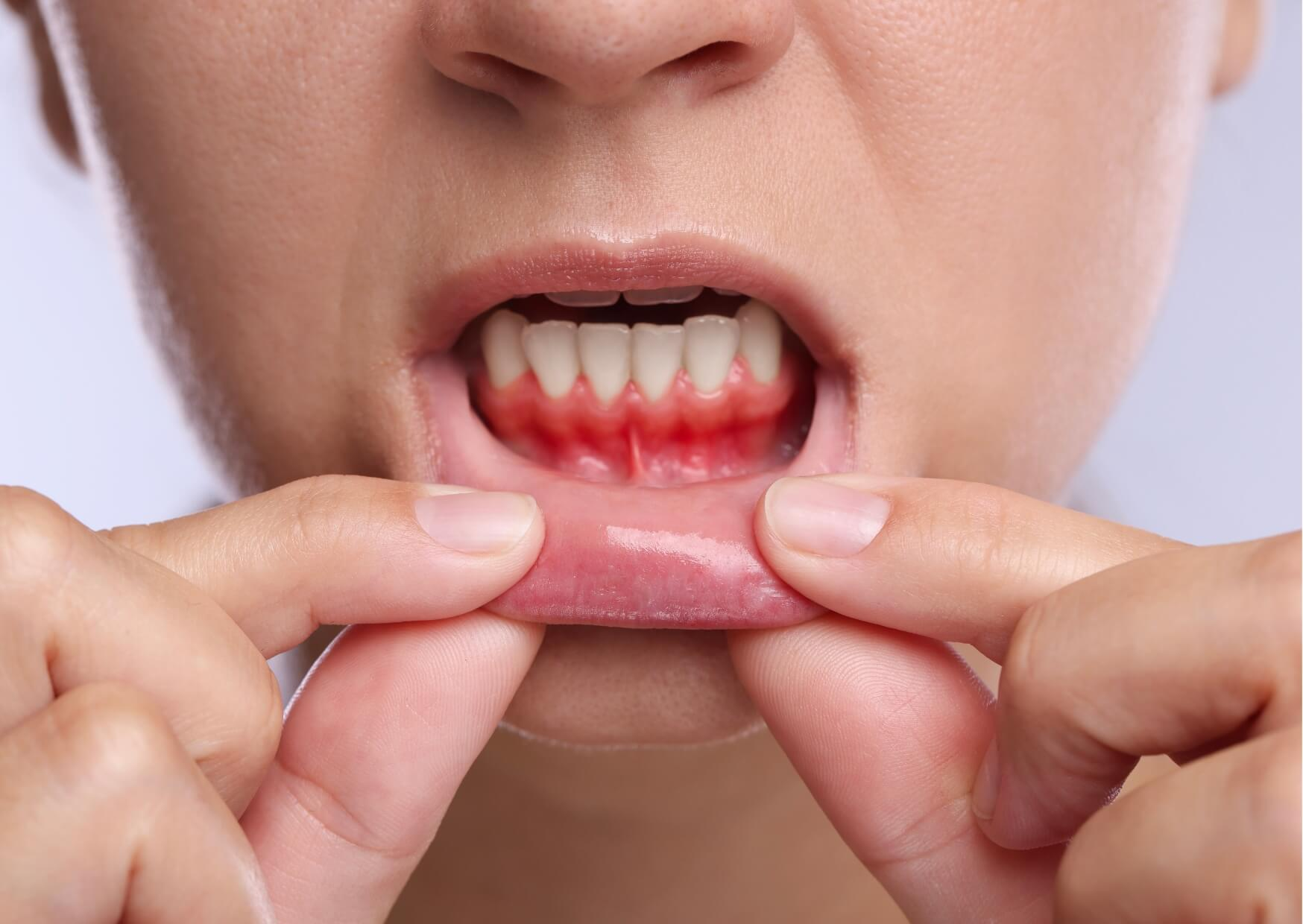
Receding gums can make teeth look longer, feel more sensitive, and become harder to protect over time. In simple terms, gum recession means the gum tissue has moved away from the tooth and exposed more of the root surface.
This problem usually does not come from one cause alone. In many patients, gum recession develops from a combination of inflammation, brushing habits, bite stress, and natural tissue anatomy.
That matters because the gums are part of the support system that helps keep teeth stable and easier to clean. When recession progresses, the root surface becomes more vulnerable to sensitivity, root decay, and further attachment loss.
Council Oak Perio offers specialty gum recession evaluation and treatment in Austin, TX, and provides the focused periodontal care many patients with receding gums need.
The visible part of a tooth is covered by enamel, which is strong and durable. The root is covered by cementum, a thinner outer layer that is less resistant to wear and more likely to feel sensitive when exposed.
Gum recession often develops slowly and without pain. Many patients first notice it when a tooth looks longer, a notch appears near the gumline, or cold drinks start to bother one area.
Recession can affect one tooth or many teeth. It may stay mild for years, or it may continue to progress if the underlying cause is not identified and controlled.
One of the most important causes is periodontal disease, also called gum disease. This chronic inflammatory condition is caused by bacterial plaque buildup around and below the gumline, and it can gradually damage the tissues and bone that support the teeth through tissue destruction.
When inflammation stays active, the gum attachment can move downward on the tooth. In more advanced cases, bone loss develops as well, which makes recession harder to correct and more important to treat early.
Another common cause is brushing trauma. Brushing too hard, using a stiff brush, or repeatedly scrubbing the gumline with a horizontal motion can wear away tissue over time, especially when the gums are naturally thin. Research on abrasive brushing supports this connection.
Thin periodontal tissue is also an important risk factor. Some patients naturally have a delicate gum and bone profile, and those areas may recede more easily even with otherwise good home care.
Tooth position matters too. Teeth that sit too far outward in the dental arch may have less bone support on the front side, which can make the overlying gum more likely to recede.
Bite stress and clenching may contribute as well. They do not always directly cause recession, but they can increase strain on teeth and surrounding tissues, especially when other risk factors are already present.
Tobacco use is another major concern. Smoking and other nicotine exposure can impair healing, worsen gum disease, and reduce the tissue's ability to respond well to irritation or treatment.
Poorly fitting oral jewelry, repeated picking at the gums, and chronic friction from habits or appliances may also play a role in some cases. In many patients, recession is best understood as a tissue response to repeated stress rather than a single isolated event.
Gum recession is more likely to worsen when active inflammation is still present. Bleeding during brushing, persistent tenderness, bad breath, or visible plaque buildup may suggest the tissue is being irritated on a regular basis.
Areas with thin gums often progress faster than thicker, more resilient tissue. Lower front teeth, upper canine teeth, and teeth that sit outside the ideal arch position are common sites where recession becomes more noticeable.
A history of orthodontic movement can also be relevant, especially in already thin tissue. Orthodontic treatment does not automatically cause recession, but tooth movement outside the natural bony housing may increase risk in some patients.
Grinding or clenching at night may add another layer of stress. It is usually not the only explanation, but it can be part of the picture when recession appears along with wear, fractures, or muscle tension.
The earliest sign is often a change in appearance. A tooth may look longer than the one next to it, or the gumline may appear uneven.
Many patients also notice tooth sensitivity near the gumline. Cold air, cold drinks, sweets, or brushing can trigger a sharp response when the root surface is exposed.
Some areas develop a small groove or notch where the tooth meets the gum. That can reflect a combination of recession, brushing wear, and bite-related stress.
Bleeding is not always present. If recession is caused mainly by trauma rather than active gum disease, the tissue may recede without obvious swelling, but it still deserves evaluation if it is progressing or causing symptoms.
Receding gums are not only a cosmetic issue. Exposed roots are more prone to sensitivity and root surface decay, which is a cavity that forms on the root rather than on the enamel-covered crown.
In periodontal cases, recession may signal deeper support loss around the tooth. If bone and attachment are also being lost, tooth mobility can increase over time and long-term stability may be affected.
This becomes especially important when planning crowns, bridges, or implants. Healthy gums and stable bone are the foundation for successful restorative work, and untreated periodontal problems can compromise both natural teeth and implant outcomes.
From a periodontal standpoint, the key question is not just how the gums look today. The more important issue is whether the tissue is stable, cleanable, and supported well enough to stay healthy over the long term.
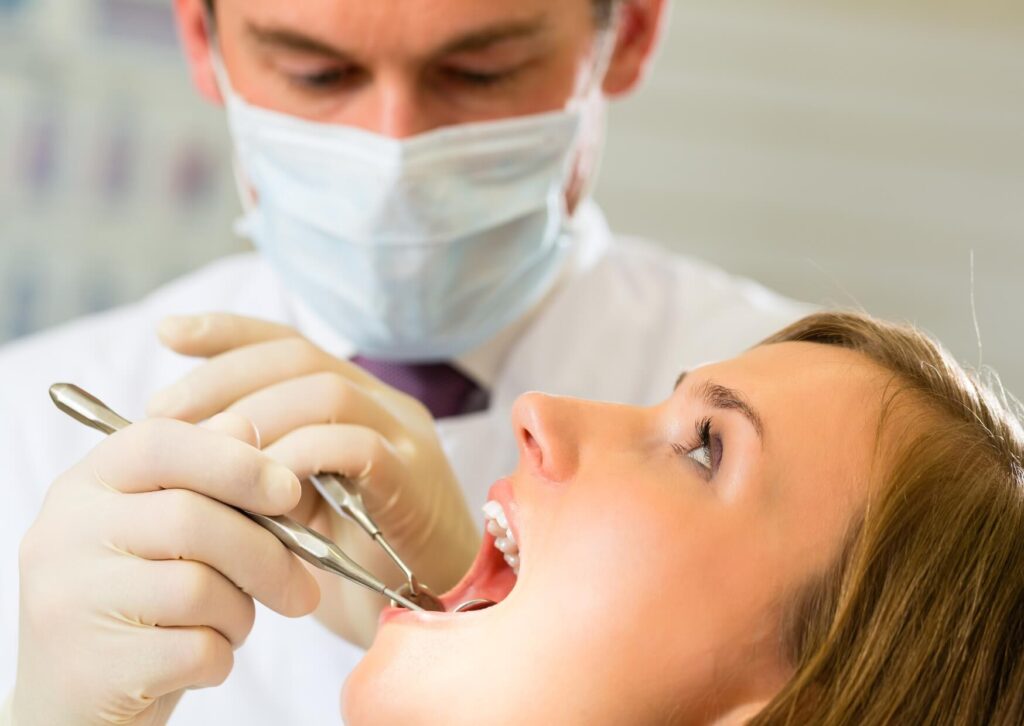
A proper evaluation looks at more than the visible gumline. The dentist or periodontist will usually check plaque levels, bleeding, pocket depths, gum thickness, tooth position, bite forces, and signs of clenching or brushing trauma.
Dental X-rays may be needed to assess bone levels around the teeth. This helps determine whether the recession is mostly a soft tissue issue or part of a broader periodontal problem involving loss of support.
This distinction matters because treatment depends on the cause. A tooth with mild recession from brushing trauma is managed differently from a tooth with recession caused by active periodontitis, which is advanced gum disease involving deeper tissue destruction.
If inflammation is driving the problem, treatment often starts with professional periodontal care and better plaque control. The goal is to reduce bacterial irritation so the tissue can become more stable and easier to maintain.
If brushing technique is contributing, the solution may involve changing tools and pressure rather than brushing more often. Small habit changes can make a real difference when the tissue is thin and repeatedly traumatized.
When recession is advanced, causes sensitivity, or affects appearance in a high-visibility area, gum grafting may be considered. This periodontal procedure uses tissue, often from the patient's own mouth or a donor source, to reinforce or cover the receded area. For a closer look at options, see our receding gums treatment.
Not every recessed site needs surgery. In many cases, the best treatment is to stop progression, protect the root, and maintain a healthy environment around the tooth.
If there is root wear, a dentist may also recommend a bonded restoration to protect the exposed area. That decision depends on the shape of the defect, sensitivity, cleanability, and whether the gumline is stable enough for restorative work.
Periodontal health has a direct effect on how long teeth can remain functional and comfortable. When inflammation and recession are controlled early, it is often possible to preserve natural teeth for many years.
The same principle applies to implants. Implants do not get cavities, but they can still lose supporting bone if plaque and inflammation are not well controlled.
Patients considering implants should know that a history of gum disease does not automatically rule out treatment. It does mean the tissues need careful evaluation, disease control, and long-term maintenance before and after implant placement.
In cases with significant bone loss, bone grafting can help rebuild support for predictable restorative outcomes. For more on planning and expectations, see our dental implant guide.
In practice, the strongest implant cases are built on a stable periodontal foundation. That is why recession should be taken seriously even when the main concern seems cosmetic at first.
Schedule a dental evaluation if gum recession is new, worsening, or affecting sensitivity and cleaning. It is also worth booking sooner if one tooth suddenly looks longer than the others or the gumline changes quickly.
Seek prompt care if recession appears with loose teeth, pus, swelling, persistent bleeding, pain when biting, or a bad taste that does not go away. These signs may suggest active infection, deeper periodontal breakdown, or another condition that should not be monitored at home.
If you already have crowns, bridges, or implants, changes in the surrounding gums deserve early attention. Small tissue changes are often easier to manage before they become structural problems.
A calm, thorough periodontal evaluation usually provides the clearest next step. If you're unsure whether to see a specialist, read what a periodontist does to understand the specialist's role and how they approach complex cases.
In most situations, the goal is not only to explain the causes of receding gums. It is to identify which factors are active in your mouth now and what will best protect your teeth going forward.
For a personalized evaluation of gum recession, Council Oak Perio in Austin, TX provides specialty periodontal and implant-focused care to protect teeth and plan long-term treatment; call us at (512) 453-1600 to schedule a consultation.
In most cases, gum tissue that has receded does not fully grow back on its own. The priority is usually to stop progression, reduce inflammation, and decide whether grafting or other treatment would help.
No. Gum disease is a major cause, but recession may also be related to brushing trauma, thin tissue, tooth position, clenching, or a combination of factors.
Yes, in some patients it can. This is especially true when the gum tissue is thin or the brushing motion repeatedly scrubs the gumline with too much force.
Not usually, but it should not be ignored if it is worsening. Urgent evaluation is more important when recession appears with swelling, pus, loose teeth, significant pain, or rapid tissue changes.
Possibly, but the gums and bone need careful assessment first. If recession is part of active periodontal disease, that condition should be stabilized to support a healthier long-term implant result.