
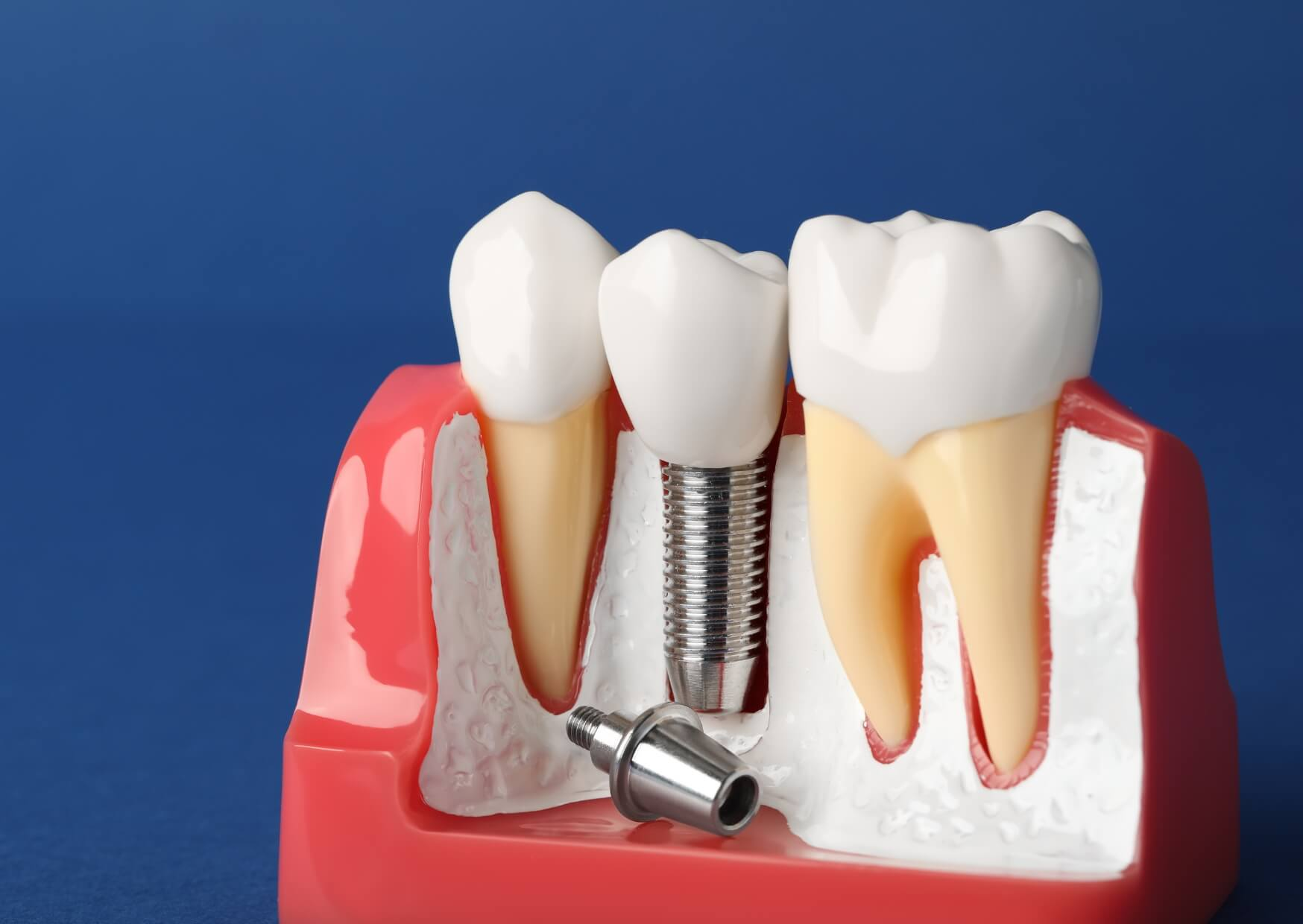
The cost of dental implants can vary widely, which can make online comparisons frustrating. In most cases, the final fee depends less on the implant itself and more on gum health, available bone, the location of the missing tooth, and the type of restoration placed on top.
A low quote may not include everything needed for a stable, long-lasting result. A higher quote may reflect more complete planning, advanced imaging, specialist care, and treatment designed to protect the implant over time.
For a broader overview, see our dental implant guide. Cost discussions should include function, tissue health, and long-term maintenance, not just the price of the surgical visit.
Council Oak Perio offers dental implants in Austin, TX and provides the specialist implant-focused care many patients seek.
When a practice gives an implant estimate, it may bundle several services together or list them separately. This is one of the main reasons patients see very different numbers from one office to another.
A complete estimate may include:
Some estimates do not include the final crown. Others exclude bone grafting, gum treatment, sedation, extraction of a damaged tooth, or custom temporary teeth.
For that reason, the most useful question is not, "How much is one implant?" It is, "What exactly is included in this treatment plan, and what could change the total?"
Implant treatment is highly individualized. Two patients replacing the same tooth may need very different care before an implant can be placed safely.
An implant needs enough healthy jawbone for support. If bone has shrunk after a tooth was lost, a graft may be needed to rebuild the site before or during implant placement.
Procedures such as bone grafting rebuild jaw support so an implant can function predictably. In many cases, a dental bone graft is recommended specifically to improve support for future implant placement.
This is common in the back of the upper jaw, where the sinus sits close to the roots of the teeth. In that area, a sinus lift may be recommended to create enough vertical bone for a secure implant.
Active gum disease can increase the cost of care because infection and inflammation usually need to be controlled before implant treatment moves forward. Periodontal disease is a chronic infection of the tissues that support the teeth, and it can also affect the tissues around implants.
This matters for more than budgeting. If gum disease is not managed first, the risk of implant complications and bone loss is higher.
Replacing one front tooth is different from replacing several back teeth. Front teeth often require more attention to appearance, gum contour, and tissue symmetry, while back teeth must handle stronger chewing forces.
A full-arch case, where most or all teeth in one jaw are replaced, is far more complex than a single implant. It may involve extractions, immediate temporary teeth, guided surgery, and a more advanced prosthetic design.
The implant post is only one part of the total cost. A single crown, a multi-unit bridge, or a full-arch prosthesis each carries different laboratory and material expenses.
Custom restorations can improve fit, bite stability, and appearance. They also tend to increase the overall fee.
Treatment performed by a periodontist or oral surgeon may cost more in some settings, especially when the case involves grafting or complex anatomy. That added cost may be worthwhile when the case has higher biological or cosmetic risk.
To learn more about the specialist's role, see what a periodontist does. Advanced planning tools, surgical guides, and digital workflows can also affect pricing.
These tools are not just conveniences. They may improve precision and help reduce avoidable complications.
Many patients need more than implant placement alone. That does not mean treatment is going badly. It usually means the site needs to be prepared properly.
Common added procedures include:
These procedures can significantly change the final cost. They may also improve the chances that the implant remains stable and easier to maintain for many years.
That is an important distinction. Added treatment is not simply an extra charge. In many cases, it is what makes the implant a sound long-term option.
A single missing tooth is often the simplest implant scenario, but even then, the final cost depends on bone support, gum shape, and whether the missing tooth is in a visible area. Front tooth replacement often requires more cosmetic planning than patients expect.
Multiple implants can sometimes replace several missing teeth more efficiently than placing one implant for every tooth. In some cases, a bridge supported by two or more implants is more practical than several separate implants.
Full-arch implant treatment is usually the most expensive category because it combines surgery, prosthetic design, and careful bite planning. It may still offer strong long-term value for patients dealing with widespread tooth loss, unstable dentures, or repeated failures of compromised teeth.
For many full-arch solutions, including streamlined protocols, patients can review options such as All-on-4 implants.
The health of the gums and supporting bone has a direct effect on implant success. Patients who have lost teeth from periodontal disease may still be good implant candidates, but the disease process should be brought under control first.
If you want a short primer on the specialty, read what is periodontics. Implants do not get cavities, but they can develop inflammation and bone loss around them.
This condition is often called peri-implant disease. If ignored, it may lead to bleeding, discomfort, bad taste, or implant failure.
That is why the cheapest treatment is not always the best value. A well-planned implant in healthy, maintainable tissue is usually a better investment than a lower-cost implant placed into an unstable environment.
This is especially true for smokers, patients with uncontrolled diabetes, and patients with a history of advanced gum disease. These factors do not automatically rule out implants, but they do increase the need for careful planning and follow-up.
For many patients, implants are worth the cost because they can restore chewing strength, preserve jawbone, and avoid placing extra stress on neighboring teeth. They also tend to feel more secure than removable options.
In general, dental implants have a high long-term success rate when they are properly planned and maintained. That said, value depends on the right diagnosis.
If a tooth can be predictably saved with periodontal or restorative treatment, that option may deserve serious consideration before extraction and implant placement. A thoughtful clinician should compare the prognosis of saving the tooth versus replacing it.
The best decision is not always the most aggressive one. It is also not always the least expensive one.
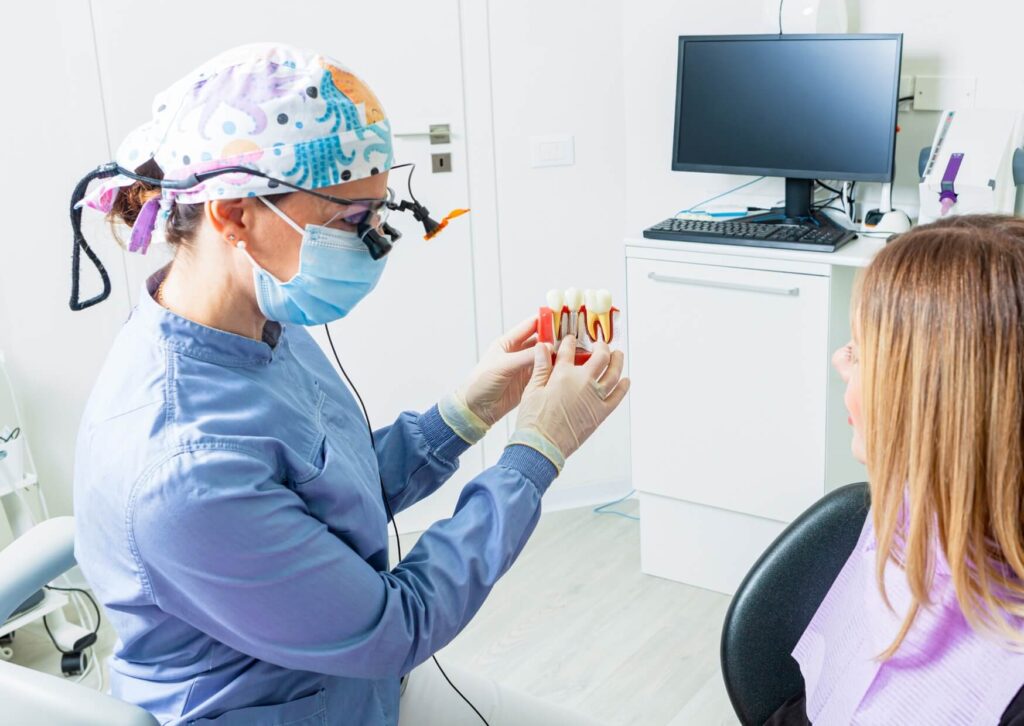
If you are reviewing more than one estimate, compare the treatment plans line by line. Price alone does not tell you whether the same level of care is being proposed.
Useful questions to ask include:
A clear treatment plan should explain both the current cost and the likely variables. If the explanation feels vague, rushed, or incomplete, it is reasonable to ask for clarification before moving forward.
Same-day marketing can sound appealing, especially when a missing tooth affects appearance or chewing. In the right case, immediate implant placement or immediate temporary teeth can work well, but not every site is suited for that approach.
If there is active infection, major bone loss, unstable gum tissue, or heavy bite pressure, a staged plan may be safer. Slower treatment can sometimes produce a more stable result and lower the risk of future repair costs.
Urgent evaluation is especially important if there is facial swelling, fever, pus, severe pain, a loose implant, or sudden breakdown around an existing implant. Those signs may indicate infection or significant tissue loss and should not be managed by waiting at home.
A proper implant consultation should do more than generate a quote. It should identify whether the gums are healthy, whether the bone can support an implant, and whether the bite and restorative plan make sense for long-term use.
Many offices will review medical history, take imaging, examine neighboring teeth, and discuss whether grafting or periodontal treatment is needed first. In complex cases, that planning stage is where the value of specialist care becomes clear.
If you are weighing the cost of dental implants, focus on the quality of the diagnosis as much as the number on the estimate. The next step is a thorough evaluation that explains what is needed now, what may be needed later, and how to protect the result once treatment is complete.
Council Oak Perio provides specialist dental implant care in Austin, TX; contact our office by calling (512) 453-1600 to schedule a consultation about implant planning, costs, and next steps.
Implants involve surgery, custom parts, laboratory work, imaging, and careful planning. The total cost often reflects the biological complexity of rebuilding a missing tooth, not just the implant itself.
Coverage varies widely. Some plans may help with parts of care such as extractions, imaging, or the final crown, while others may exclude implants entirely.
A bridge may have a lower upfront cost in some cases, but it is not always the better long-term option. The right comparison depends on the health of the neighboring teeth, bone support, and expected maintenance needs.
Yes. If periodontal disease is active, treatment is usually needed before implant placement, and that can increase the total fee. It can also strongly affect whether the implant is likely to remain healthy over time.
Ask whether the quote includes the implant post, abutment, final crown, imaging, and follow-up care. It is also important to ask what additional procedures might still be needed after the full evaluation.