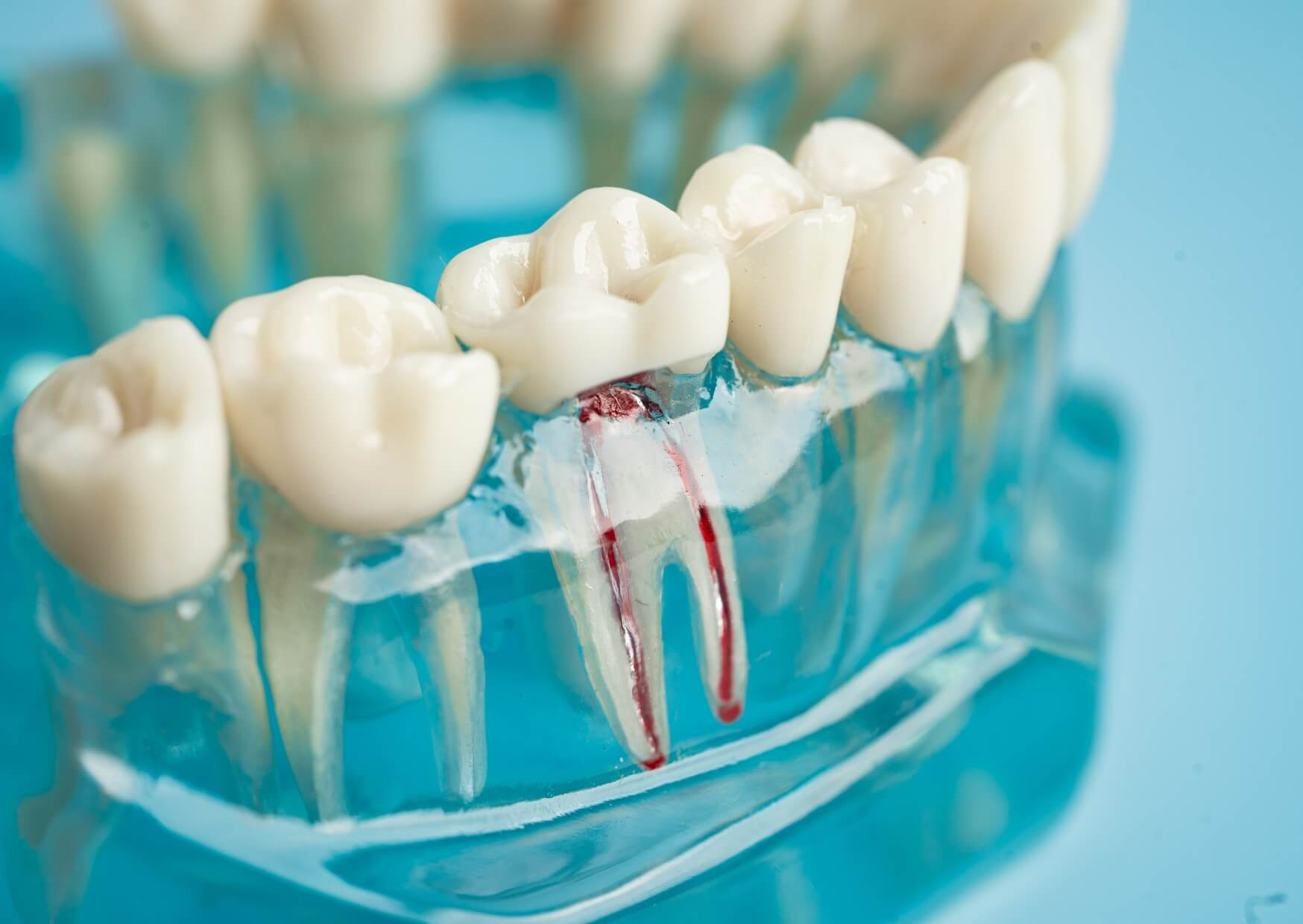
Exposed tooth roots usually happen when gum tissue pulls away from the tooth and leaves the root surface uncovered. This is most often a sign of gum recession, not a problem with the crown of the tooth itself.
Some people first notice exposed roots when cold air, cold drinks, or toothbrushing suddenly feel sharp. Others notice teeth that look longer, a notch near the gumline, or gums that seem uneven.
Exposed roots do not always mean severe disease, but they should not be ignored. When recession is active or linked to periodontal disease, early treatment can help protect tooth stability, improve comfort, and reduce long-term damage.
Council Oak Perio in Austin, TX provides specialty gum recession care focused on protecting exposed roots and reducing sensitivity.
The most common reason is gum recession. That means the gum margin moves downward on lower teeth or upward on upper teeth, uncovering the root.
A frequent cause of recession is periodontal disease, also called gum disease. This inflammatory condition is caused by bacterial buildup around the teeth and can damage the gums, the periodontal ligament, and the supporting bone.
Not all exposed roots come from infection. Brushing too hard, using a stiff toothbrush, or long-term friction at the gumline can wear tissue away, especially where the bone is naturally thin.
Tooth position also matters. Teeth that sit too far forward, roots that are prominent, or naturally thin gum tissue may be more likely to develop recession even with otherwise good home care.
Clenching and grinding can contribute as well. Excessive bite force does not directly cause every case of recession, but it can add stress to teeth and supporting tissues, especially when inflammation is already present.
Smoking, poorly controlled diabetes, past orthodontic movement, lip or tongue piercings, and uneven restorations near the gumline may also play a role. In many cases, more than one factor is involved.
A common symptom is root sensitivity to cold. Because the root surface is less protected than enamel, temperature changes and touch can trigger a quick, sharp sensation.
Teeth may also look longer than before. In some cases, the gumline appears uneven, or a yellower area near the base of the tooth becomes visible because root surfaces are usually darker than enamel.
Some people notice a small groove or notch where the tooth meets the gum. Others feel tenderness while brushing, food catching between teeth, or mild bleeding if inflammation is present.
If recession is progressing, symptoms may change over time. A tooth can become more sensitive, the space between teeth may look different, and in more advanced periodontal breakdown, mobility can develop.
Exposed roots are not only about appearance. The uncovered root surface is more vulnerable to wear and root decay, which is a cavity that forms on the root rather than on enamel.
If recession is part of active periodontal disease, the bigger concern is loss of attachment and bone support. That process can weaken the foundation of the tooth even before pain appears.
This matters for long-term planning. Healthy gums and stable bone are important if a tooth may later need a crown, bridge, or extraction and replacement.
For patients considering dental implants, periodontal health is especially important. Uncontrolled gum disease around natural teeth can increase the risk of peri-implantitis, including inflammation and bone loss around implants.
Exposed roots deserve a careful diagnosis rather than a quick cosmetic fix. The right treatment depends on whether the problem is mainly sensitivity, recession without disease, active periodontitis, root decay, or a combination of issues.
A proper exam looks at more than the visible gumline. The clinician will usually measure the depth of the recession, check for plaque and tartar buildup, assess bleeding, and test the tissues around the tooth for signs of attachment loss.
X-rays may be needed to evaluate bone levels and rule out other problems near the root. If the tooth is loose, worn, or positioned outside the normal arch, those findings can change the treatment plan.
The key question is whether the recession is stable or active. A small exposed root that has not changed for years is different from recession that is worsening, bleeding, collecting plaque, or occurring with bone loss.
This is also the stage where contributing habits are reviewed. Brushing technique, grinding, smoking, past dental work, and orthodontic history can all help explain why one area is breaking down while another remains stable.
If you're unsure who to see, learn more about what a periodontist does to understand the specialist's role in diagnosing and treating complex gum problems.
Treatment depends on the cause, the amount of recession, the condition of the root surface, and whether bone support has been lost. There is no single treatment that fits every case.
If the main issue is mild sensitivity without active disease, a dentist may recommend desensitizing products or an in-office protective treatment to reduce discomfort. If a notch or early root wear is present, a tooth-colored restoration may sometimes be used to protect the area.
When plaque, tartar, and inflammation are driving the problem, gum disease treatment is usually the first step. This may include professional cleaning below the gumline and a plan to stabilize the tissues before any cosmetic correction is considered.
Gum grafting may be considered when recession is significant, sensitivity is persistent, the root is difficult to keep clean, or the area is at risk for further breakdown. A graft uses tissue, often from the patient's own mouth or a donor source, to increase tissue coverage or thickness.
Not every exposed root can be fully covered. Root coverage outcomes depend on tooth position, the amount of bone between teeth, tissue thickness, and whether the recession is narrow and localized or broader and more advanced.
For a full overview of surgical and non-surgical approaches, see our receding gums treatment.
Sometimes the root has decay, a deep defect, or reduced support that changes the outlook. In those cases, the goal may shift from root coverage to preserving function as long as possible or planning a replacement strategy if the tooth cannot be maintained predictably.
That is where periodontal and implant planning often overlap. Saving a tooth when support is poor is not always the best long-term choice, but removing a tooth too early is not ideal either.
In situations with reduced bone support, procedures such as bone grafting can be part of preparing the site for a long-term solution.
Some symptoms deserve prompt attention. Bleeding gums with loosening teeth, swelling, pus, a bad taste that keeps returning, or recession that seems to be progressing over months may indicate active periodontal disease or infection.
Pain when biting, a crack line, sudden severe sensitivity, or a dark soft area on the exposed root can point to other problems such as root decay, fracture, or pulpal irritation. Those issues need a dental evaluation rather than watchful waiting.
If an exposed root is causing persistent pain, changing quickly, or appearing around multiple teeth, it is reasonable to schedule an exam soon. If there is facial swelling, fever, or rapidly worsening pain, urgent dental care is more appropriate.
In many cases, yes. The main goals are to reduce inflammation, avoid further trauma at the gumline, and monitor whether the recession is stable.
A soft-bristled brush and gentler technique are often part of the conversation, but prevention is not just about brushing softer. The bigger issue is controlling plaque consistently while avoiding repeated mechanical injury.
Regular periodontal maintenance can be important for people with a history of gum disease. For others, correcting bite stress, replacing rough or overhanging dental work, or protecting teeth from grinding may help reduce further damage.
The best next step is a focused dental or periodontal exam that identifies why the roots are exposed in the first place. Once the cause is clear, treatment can be matched to the tooth, the gums, and the long-term plan for keeping the mouth stable.
Contact Council Oak Perio in Austin, TX by calling (512) 453-1600 to schedule an evaluation for gum recession and exposed roots.
The root surface usually does not become covered again on its own once gum recession has occurred. Symptoms may improve if inflammation is treated, but the lost gum position often remains unless a procedure such as grafting is appropriate.
No. Gum disease is a common cause, but brushing trauma, thin gum tissue, tooth position, grinding, and other local factors can also contribute.
No. Some cases only need monitoring, sensitivity management, or periodontal cleaning. Surgery is usually considered when recession is progressing, symptoms are significant, cleaning is difficult, or tissue thickness and protection need to be improved.
They can affect implant planning indirectly because exposed roots may signal underlying periodontal instability. Before placing an implant, the gums and bone around the rest of the mouth should be evaluated and, if needed, stabilized.
Usually not, but it should still be assessed if it is new, painful, worsening, or associated with bleeding, swelling, mobility, or suspected decay.